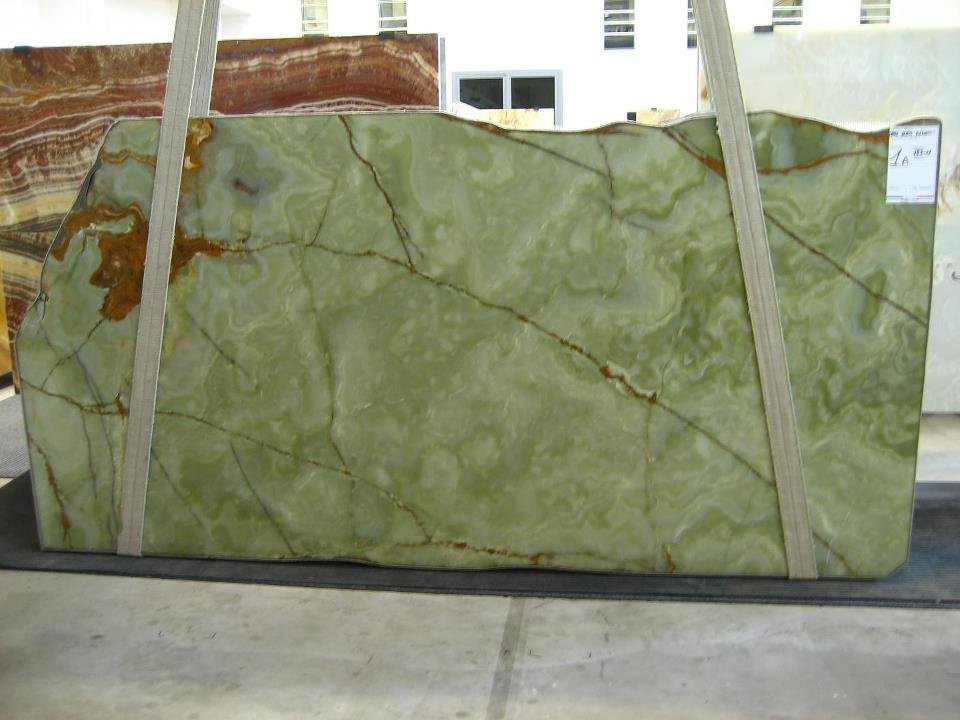
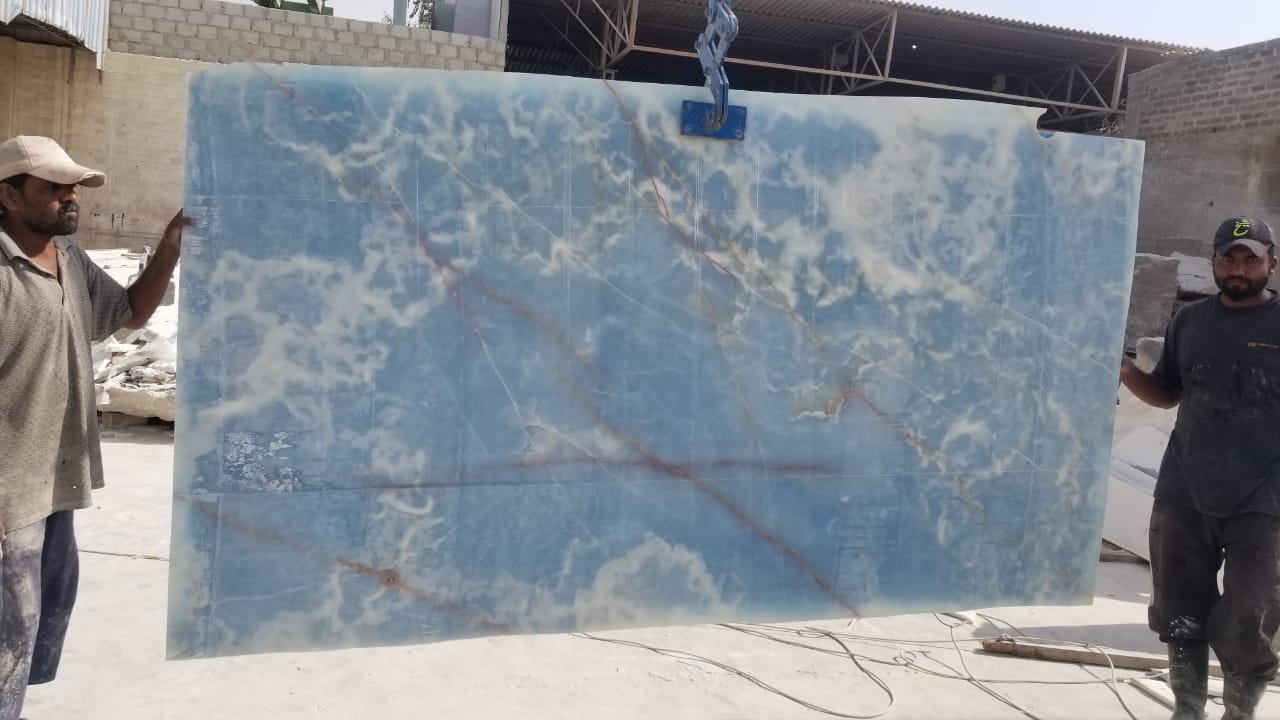
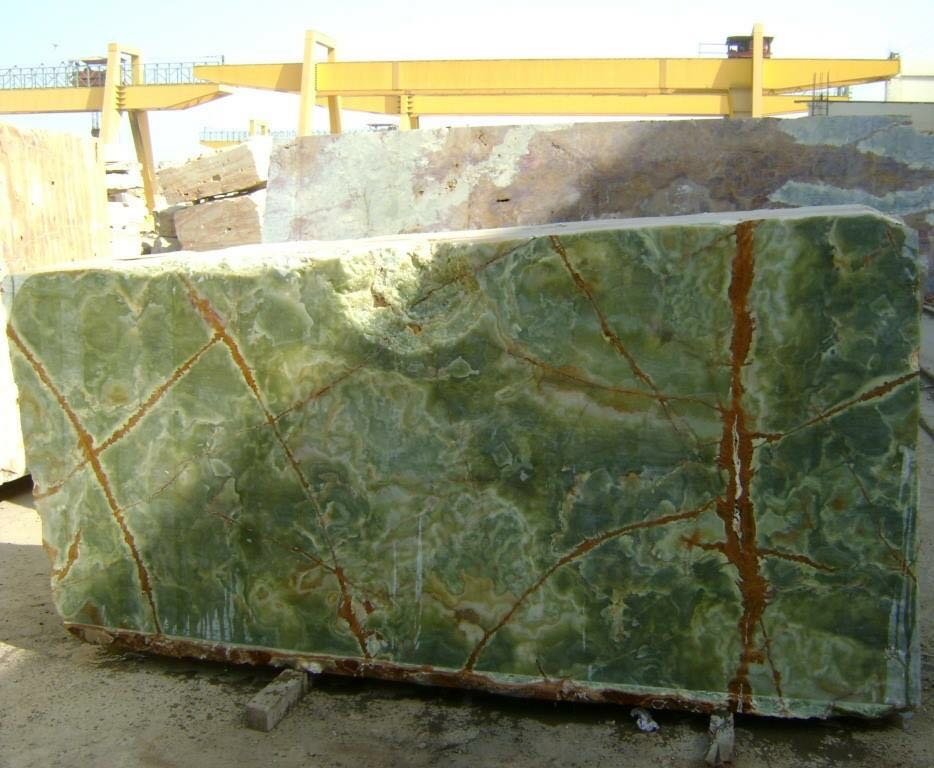
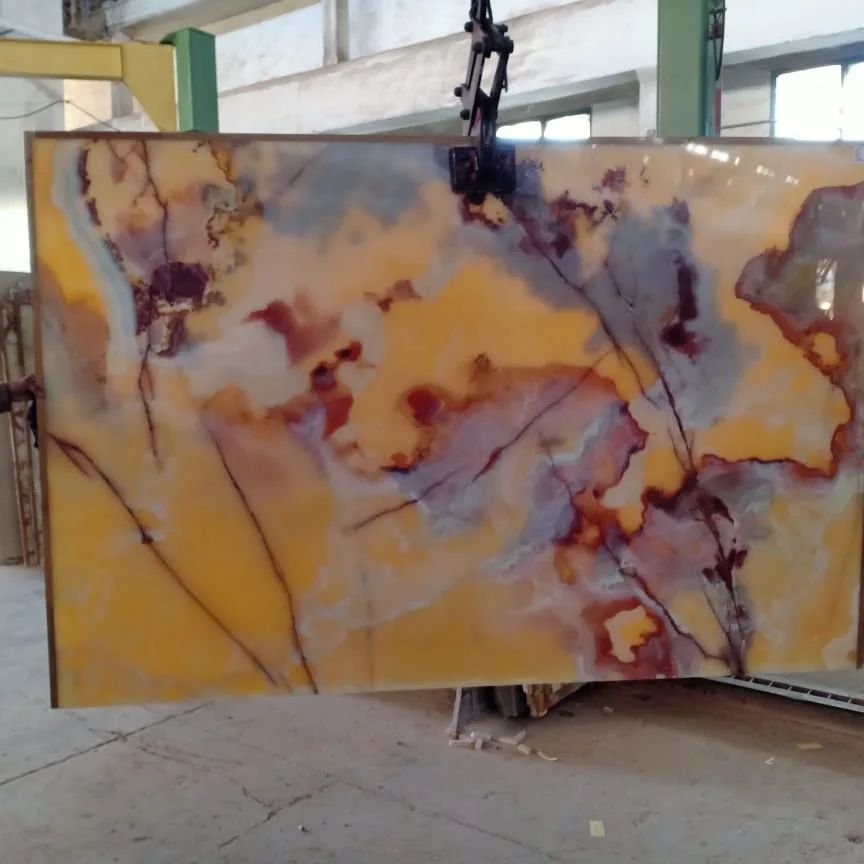
[ All Travertine Tiles Colors ]

All Travertine Tiles Colors

Pakistan Travertine Tiles- Travertine Tiles from Pakistan- Pakistani Travertine Tile Suppliers- Travertine Tile Manufacturers Pakistan- Natural Stone Tiles Pakistan- Pakistan Travertine Flooring Tiles- Travertine Wall Tiles Pakistan- Pakistan Travertine Tile Exporters- Travertine Tile Distributors Pakistan- Pakistan Stone Industry Travertine Tiles- Travertine Quarry Pakistan- Pakistani Travertine Floor Tiles- Pakistan Travertine Pavers- Travertine Stone Tiles Pakistan- Pakistan Beige Travertine Tiles- Travertine Mosaic Tiles Pakistan- Pakistan Travertine Slab Tiles- Travertine Tile Installation Pakistan- Pakistan Travertine Tile Prices- Travertine Bathroom Tiles Pakistan

[ Uses Of Travertine Tiles ]

Uses Of Travertine Tiles


Travertine tiles are versatile and widely used in various interior and exterior design projects due to their natural beauty, durability, and range of available finishes. Here are some common uses of travertine tiles:

  1. Flooring: Travertine tiles are frequently used for flooring in both residential and commercial spaces. They can create a classic and elegant look while offering durability. They are suitable for areas such as living rooms, kitchens, bathrooms, hallways, and entryways.

  2. Bathroom Surfaces: Travertine tiles are commonly used for bathroom surfaces, including shower walls, bathtub surrounds, and bathroom floors. They add a touch of luxury and can create a spa-like atmosphere.

  3. Kitchen Backsplashes: Travertine tiles can be used to create beautiful and functional kitchen backsplashes. The tiles’ natural variations add character to the space, and their durability makes them suitable for the kitchen environment.

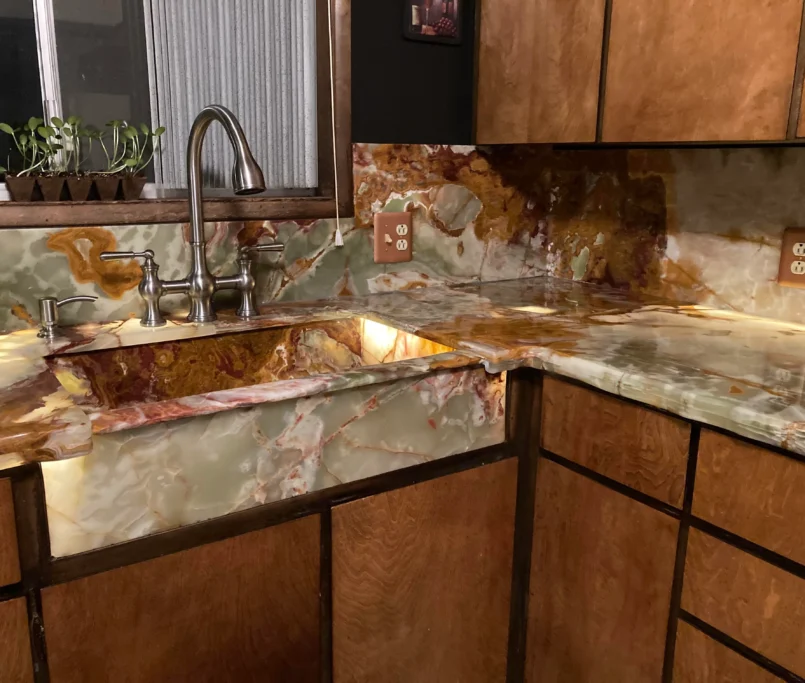
  4. Countertops: While less common than other countertop materials, travertine tiles can be used for kitchen and bathroom countertops. They provide a unique and warm appearance. However, it’s important to note that travertine countertops require regular maintenance and sealing to prevent staining.

  5. Wall Cladding: Travertine tiles can be applied to walls to create feature walls, accent walls, and fireplace surrounds. The tiles’ texture and natural variations add visual interest and depth to the space.

  6. Outdoor Paving: Travertine tiles are excellent for outdoor areas such as patios, pool decks, and walkways. They are slip-resistant and can withstand varying weather conditions.

  7. Stairs and Steps: Travertine tiles can be used for stair treads and risers, providing a durable and aesthetically pleasing solution for indoor and outdoor staircases.

  8. Mosaic Designs: Travertine tiles can be cut into smaller pieces to create intricate mosaic designs. Mosaics can be used for backsplashes, shower floors, and decorative accents.

  9. Decorative Accents: Smaller travertine tiles can be used to create decorative accents, borders, and medallions within larger tile installations.

  10. Commercial Spaces: Travertine tiles are suitable for commercial settings such as hotels, restaurants, and retail spaces, where a timeless and upscale appearance is desired.

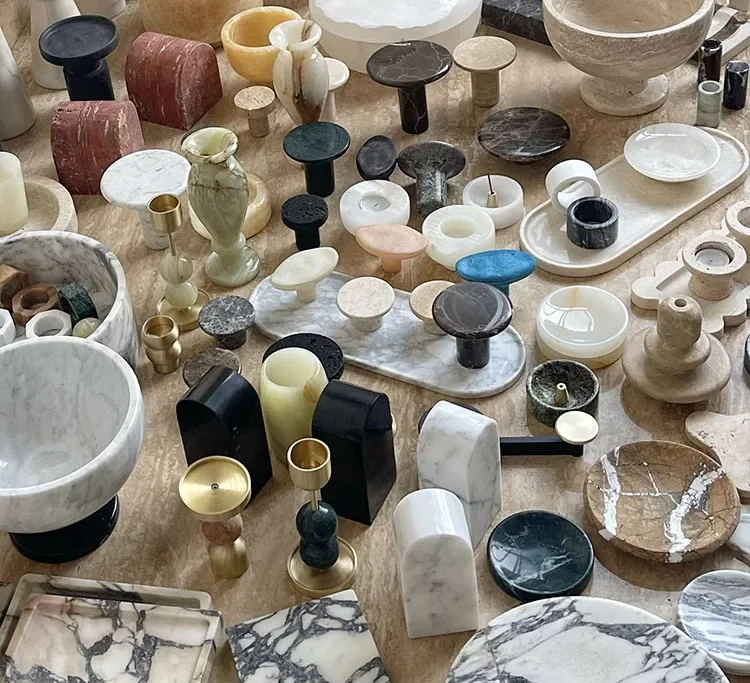
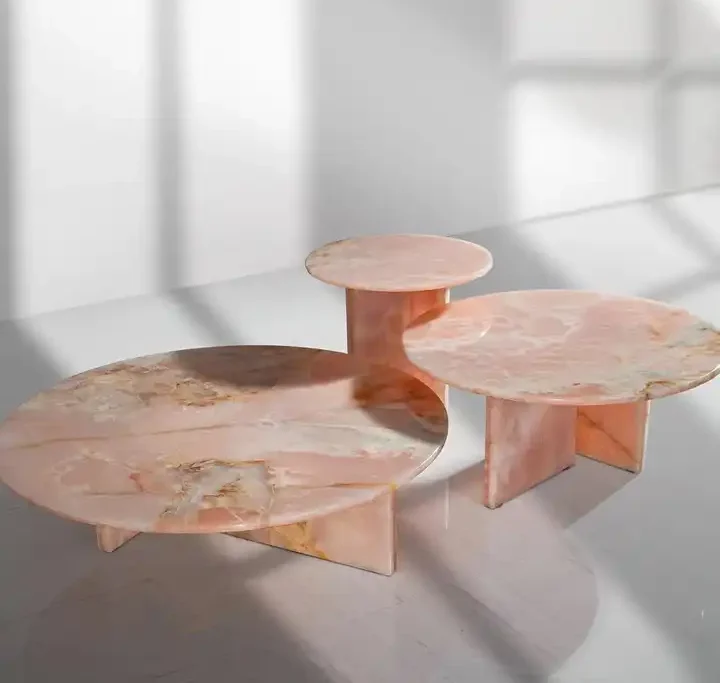
  11. Furniture and Accessories: Travertine tiles can be used to create tabletops, countertops, and other furniture pieces, as well as decorative accessories like trays and coasters.

  12. Facade Cladding: In architectural applications, travertine tiles can be used for exterior façade cladding, adding a touch of elegance and sophistication to buildings.

It’s important to choose the right finish (polished, honed, tumbled, brushed, etc.) for your intended use, as each finish offers a different texture and appearance. Additionally, proper installation, sealing, and maintenance are crucial to ensure the longevity and beauty of travertine tiles. Consulting with professionals and experts in stone installation is recommended for the best results.

TRAVERTINE TILE FINISHES — FULL PROFESSIONAL BREAKDOWN


1. Honed Finish (Filled or Unfilled)

Factory Process:

  • Slabs cut → tiles cut

  • Holes are filled with polyester resin/cement (if “honed filled”)

  • Surface is smoothed using polishing heads

  • Abrasive grits: 60 → 120 → 220 → 400 → 800

  • Result is a smooth, matte surface

Look:

  • Flat, matte, modern

  • Soft touch, no shine

  • Clean and contemporary

Filled vs Unfilled:

  • Filled: Holes filled → smooth surface

  • Unfilled: Holes left open → rustic + natural

Slip Resistance: Medium
Best For:

  • Indoor flooring

  • Bathrooms

  • Kitchens

  • Commercial interiors


2. Polished Finish

Factory Process:

  • Like honed, but polishing continues to high grits

  • Grits: 800 → 1200 → 3000 → buffing + chemicals

  • Creates a high gloss

Look:

  • Highly reflective

  • Luxury appearance

  • Brings out deep color + veins

Slip Resistance: Low (slippery when wet)
Best For:

  • Walls

  • Countertops

  • Low-traffic residential floors

  • Luxury interiors


3. Brushed (Antique/Leathered) Finish

Factory Process:

  • Surface sanded lightly

  • Passed through brushing line

  • Brushes used:

    • Coarse steel

    • Medium nylon

    • Fine nylon

  • Softens the surface + digs into soft minerals

Look:

  • Textured, antique feel

  • Soft undulating surface

  • Enhances natural pores

Slip Resistance: High
Best For:

  • Outdoor patios

  • Pool decks

  • Walkways

  • Rustic interiors


4. Sanded + Brushed Finish

Factory Process:

  • Surface sanded with abrasive belts

  • Grit: 60–220

  • Followed by full brushing sequence

  • Keeps pores open

  • More even texture than raw brushing

Look:

  • Natural, slightly coarse

  • More uniform than pure brushed

  • Rich texture

Slip Resistance: Very high
Best For:

  • Exterior floors

  • Driveways

  • Garden areas

  • Pool surroundings


5. Tumbled Finish

Factory Process:

  • Small tiles placed inside tumbling drums with:

    • Ceramic beads

    • Sand

    • Water

  • Edges soften naturally

  • Surface becomes lightly textured

Look:

  • Weathered, antique

  • Rounded edges

  • Classic Mediterranean feel

Slip Resistance: High
Best For:

  • Bathrooms

  • Outdoor pathways

  • Accent walls

  • Vintage-style villas


6. Split Face Finish

Factory Process:

  • Tiles split along natural grain

  • Natural clefts appear

  • Purely natural breaking, no sanding or polishing

Look:

  • Rough, 3D stone texture

  • No two pieces identical

  • Very dramatic natural appearance

Slip Resistance: Extremely high
Best For:

  • Exterior walls

  • Feature walls

  • Fireplaces

  • Water features

(Not used for floors.)


7. Bush-Hammered Finish

Factory Process:

  • Surface hammered with a mechanical bush-hammer

  • Creates small craters

  • Heavy texture

Look:

  • Very rough

  • Heavy-grip surface

  • Industrial appearance

Slip Resistance: Extremely high
Best For:

  • High-traffic outdoor flooring

  • Industrial/public areas

  • Stairs

  • Pool decks


8. Sandblasted Finish

Factory Process:

  • Surface blasted with sand under pressure

  • Uniform rough surface

  • Softens color

Look:

  • Matte, frosty appearance

  • Color becomes lighter

  • Very uniform texture

Slip Resistance: Very high
Best For:

  • Outdoor floors

  • Pool decks

  • Driveways

  • Hotels and resorts


9. Vein-Cut vs Cross-Cut (Not a finish but important)

Vein-Cut

  • Cut parallel to natural veins

  • Linear patterns

  • Modern, continuous look

Cross-Cut

  • Cut perpendicular to veins

  • Cloudy, circular patterns

  • More traditional

Both can be honed, polished, brushed, etc.


🧱 Quick Comparison Table (No Nonsense)

FinishSurfaceHolesGripLookBest Use
Honed (Filled)Smooth matteFilledMediumModernIndoors
Honed (Unfilled)Smooth matteOpenMedium-highNaturalWalls, rustic floors
PolishedGlossyFilledLowLuxuryWalls, countertops
BrushedTexturedMostly openHighAntiqueIndoor/Outdoor
Sanded + BrushedRougher textureOpenVery highNaturalExterior
TumbledWeatheredOpenHighVintageSmall tiles
Split FaceNatural roughN/AN/ABold 3DWalls
Bush-HammeredVery roughN/AVery highIndustrialOutdoor floors
SandblastedRough matteN/AVery highUniformPools/exteriors
Translate »